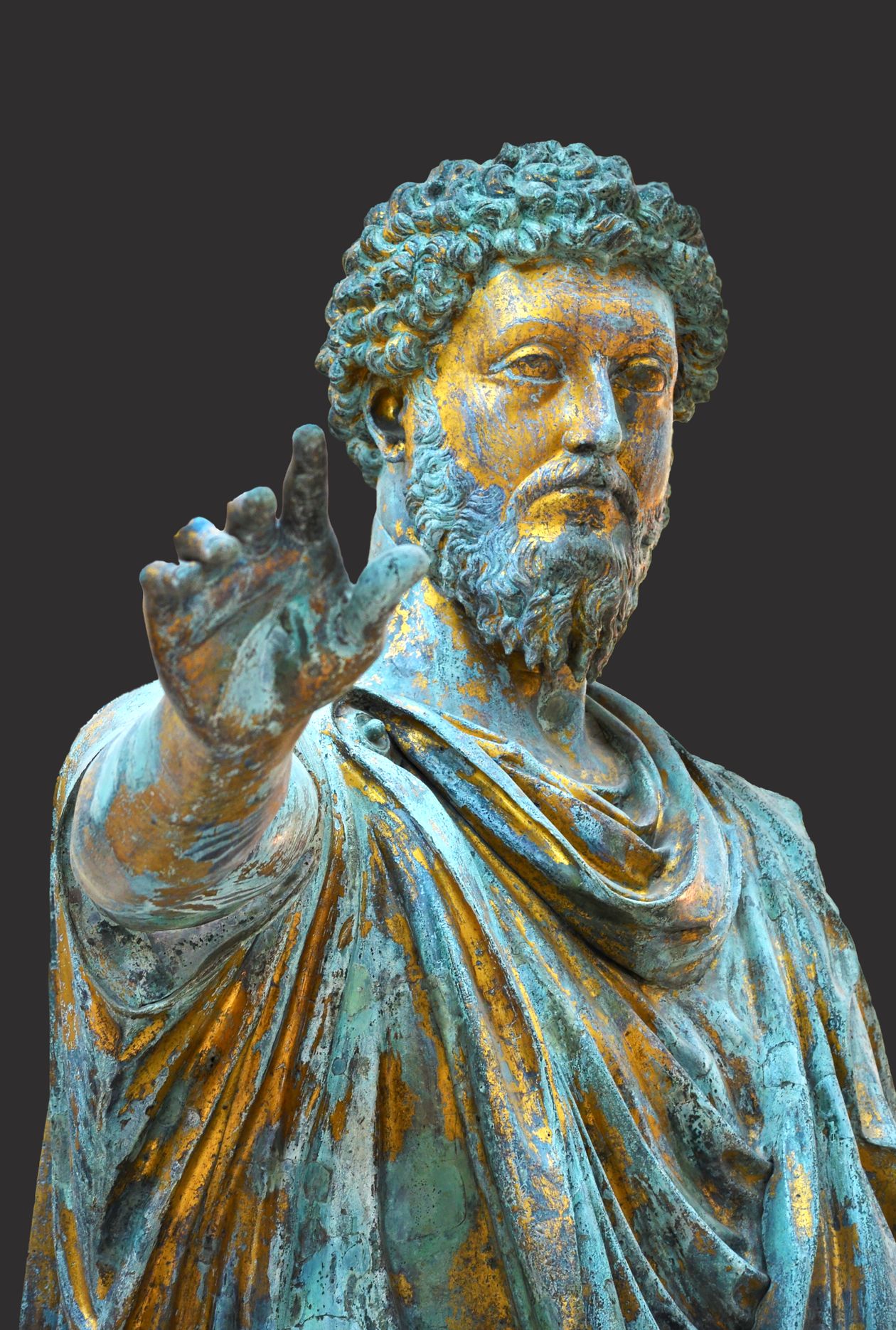
Walk into any bookstore and you will find a shelf of Stoic philosophy next to the habit guides and productivity bestsellers. Readers want calm in a noisy world and ancient Rome seems to offer it. Yet most people never ask a simple question before buying. Which version of Marcus Aurelius am I actually reading? The answer changes more than the cover. It changes the advice on the page.
The Stoic Revival on Modern Bookshelves
Stoicism began in Athens around three hundred years before the common era and later became popular among Roman thinkers and leaders. Its core idea is simple. Focus on what you can control and accept what you cannot. That message fits perfectly with modern psychology and self help culture.
Over the last decade popular authors have turned Stoic ideas into daily routines and podcasts and journals. Sales of classic texts have climbed alongside them. Many readers discover the ancient authors through a modern guide and then decide to go to the source. That is where translation quietly takes over the experience.
The three names that dominate the shelf are Seneca and Epictetus and Marcus Aurelius. Each wrote in a different setting and for a different reader. Each also reaches us through the choices of a translator who stands between the ancient text and the modern mind.
Two Ancient Languages Behind One Philosophy
Seneca wrote his letters and essays in the latin language of the first century. His style is polished and full of short memorable lines that Roman readers loved to quote. Translators must decide whether to keep that punchy rhythm or to explain his ideas in plainer modern prose.
Marcus Aurelius chose a different path. Although he was a Roman emperor he wrote his private notes in Greek. The work we call Meditations was never meant for publication. It reads like a personal diary with repetitions and unfinished thoughts. Epictetus also taught in Greek and his lessons survive through notes taken by his student Arrian.
That mix of languages matters. Greek and Latin carried different philosophical vocabularies. A single Greek term for a calm state of mind can be rendered as tranquility or peace or freedom from disturbance. Each option nudges the reader toward a slightly different idea of what a good life looks like.
How One Word Can Change the Advice
Consider the Stoic idea of indifferent things. In the original it describes things like wealth and health that are neither good nor bad in themselves. Some translations make it sound like the Stoics did not care about anything. Readers then picture a cold and emotionless person which is far from what the philosophers meant.
Older English versions often use formal vocabulary and long sentences that feel distant today. Newer versions use direct modern language that reads like a coaching session. Both approaches have value. The danger comes when a translator adds modern ideas that were never in the text. A line about duty can turn into a slogan about productivity without anyone noticing.
Serious readers often compare two or three versions of the same passage. Patterns appear quickly. One translator favors poetry and another favors precision. Seeing these differences is one of the most rewarding parts of reading ancient philosophy.
Psychologists have noticed the same effect. Cognitive behavioral therapy draws openly on Stoic ideas about how our judgments shape our emotions. Therapists who recommend ancient texts to clients often suggest a specific edition for that reason. A clear and faithful translation helps a reader apply the exercise to real life. A loose one can turn a careful mental practice into vague positive thinking that falls apart under stress. The right words make the method usable.
What Professional Translators Bring to Classic Texts
Publishers who prepare new editions rely on specialists with deep training in ancient languages. Many also need modern support. Introductions and notes and marketing material must be adapted for readers in other countries. Teams that offer greek translation services help with that bridge between classical sources and modern editions. They also support authors who quote ancient lines in new self help books and want those quotes to be accurate.
PoliLingua works under ISO 17100 which requires a second linguist to review every project. The agency has operated since 2002 and provides a free quote within fifteen minutes. For a small publisher working on a tight release plan that speed helps keep a new edition on schedule.
Accuracy also protects credibility. Readers today can check sources online in seconds. A misquoted Stoic line in a bestselling book can spread through social media and damage the author's reputation. Careful translation prevents that problem before the book reaches the printer.
Audiobooks add one more layer. A narrator interprets the translator's words with tone and pace. The same passage can sound gentle or stern depending on the voice. Listeners who switch between print and audio often notice that the philosophy feels different in each format.
How to Choose the Right Edition
Start by reading the translator's introduction. Good editions explain their approach and the choices they made. Look for notes that clarify difficult terms rather than hiding them.
Compare a short passage in two versions before you buy. Pick a line you already know and see how each translator handles it. Choose the voice that feels clear without losing depth.
Consider a bilingual edition if you enjoy language. Seeing the original Greek or Latin beside the English invites you to slow down. Even without studying the language you will start to notice repeated words and key ideas.
Finally read the ancient text alongside one modern guide rather than many. Too many interpretations can blur the original voice. Let the philosopher speak first and the commentators second.
Ancient Wisdom in Modern Words
Stoic philosophy has survived for more than two thousand years because each generation finds new ways to read it. Every translation is part of that story. Choosing your edition with care turns a popular trend into a lasting habit of reflection and lets the voices of Seneca and Marcus Aurelius reach you as clearly as possible.